
Welcome to My Blog!
Before we dive into the content, I’d love for you to join me on my social media platforms where I share more insights, engage with the community, and post updates. Here’s how you can connect with me:
Facebook:https://www.facebook.com/profile.php?id=61566301589272
Now, let’s get started on our journey together. I hope you find the content here insightful, engaging, and valuable.
Table of Contents
Introduction


Excavators are indispensable machines in various industries, known for their unparalleled versatility and efficiency. From bustling construction sites to serene landscaping projects, and even the rigorous demands of mining operations, having an excavator can transform the way you approach tasks, making them faster, safer, and more precise.
The ability of an excavator to adapt to different scenarios with ease is what sets it apart. Whether you need to dig, demolish, lift, or grade, this powerful machine is equipped to handle the challenge. It’s no surprise that an excavator has become an essential tool across countless industries.
Investing in an excavator is not just about owning heavy machinery—it’s about enhancing productivity and ensuring long-term success for your business or project. The sheer utility of an excavator can reduce labor costs, improve safety standards, and increase overall efficiency.
In this blog, we’ll delve deep into ten surprising reasons why you should consider investing in an excavator today. From its versatile applications to the incredible benefits it offers, an excavator could be the game-changer you need to elevate your work processes.
NO 1. Unmatched Versatility for Various Tasks
One of the key reasons you need an excavator is its remarkable ability to handle a wide range of tasks with efficiency and precision. Whether you’re digging deep foundations for a new building, demolishing old structures to make way for new developments, or even landscaping a property to enhance its aesthetic appeal, an excavator can do it all with ease.
The true strength of an excavator lies in its versatility, thanks to the variety of attachments it can accommodate. Attachments like buckets are perfect for excavation and material handling, while augers are ideal for drilling tasks, and grapples make lifting and sorting materials a breeze. This adaptability ensures that an excavator can seamlessly transition between tasks, meeting the diverse demands of any job site.
Furthermore, modern excavators are designed to be compatible with advanced, specialized tools, allowing you to customize their functionality even further. This makes an excavator not just a machine but a comprehensive solution for tackling multiple challenges on your project. Whether you’re working in construction, agriculture, or any industry requiring heavy-duty machinery, the versatility of an excavator ensures it remains an invaluable asset.
NO 2. Increased Efficiency and Productivity

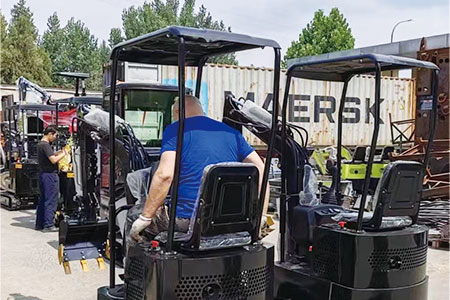
Using an excavator can dramatically accelerate the completion of tasks compared to relying on manual labor or outdated equipment. These machines are engineered with powerful engines and advanced hydraulic systems that enable them to handle substantial workloads with ease. Whether it’s moving large quantities of soil, lifting heavy materials, or clearing debris, the efficiency they bring to a project is unmatched.
This increase in speed translates to significant time savings, allowing projects to stay on schedule or even finish ahead of time. The ability to quickly and effectively handle demanding tasks boosts overall productivity, reducing delays and improving cost efficiency. By incorporating such advanced machinery into your workflow, you can ensure your operations run smoothly and efficiently, meeting deadlines with ease and achieving higher levels of output.
NO 3. Enhanced Safety on Job Sites
Modern excavators are designed with safety as a top priority, incorporating advanced features that significantly reduce the risk of accidents on job sites. Among these innovations are 360-degree cameras, which provide operators with a comprehensive view of their surroundings, minimizing blind spots and improving situational awareness. This feature is especially valuable in busy work environments where multiple activities are happening simultaneously.
In addition to enhanced visibility, many excavators now include collision detection systems. These systems use sensors and alarms to alert operators of potential obstacles or hazards, allowing them to react swiftly and avoid accidents. Such technology is particularly beneficial in tight or crowded spaces, where precision is crucial.
Reinforced operator cabins further enhance safety by providing robust protection against potential impacts or falling debris. These cabins are often designed with high-strength materials and ergonomic features, ensuring both security and comfort for the operator.
Together, these safety advancements create a secure working environment, not just for the machine operator but for everyone on-site. By prioritizing safety, these machines help reduce downtime caused by accidents, improve overall job site efficiency, and foster a culture of reliability and trust in operations.
NO 4. Cost-Effective for Long-Term Use
While the upfront cost of purchasing an excavator might seem significant, its long-term cost-effectiveness makes it a worthwhile investment for businesses across various industries. Initially, the price tag may appear daunting, especially for smaller operations, but the benefits of owning such a versatile and reliable machine quickly offset the initial expense.
Renting or outsourcing equipment for specific tasks often leads to escalating costs over time. Each rental agreement includes fees, transportation charges, and usage limits, which can significantly impact your budget when projects extend or multiple machines are required. By contrast, owning an excavator eliminates these recurring expenses, providing consistent availability and performance whenever needed.
Moreover, having your own excavator enhances operational efficiency, as you won’t need to wait for rental equipment to become available or coordinate schedules with third-party providers. This leads to fewer delays, faster project completion times, and improved productivity—all of which contribute to cost savings.
An owned excavator can also serve as a long-term asset that retains resale value. With proper maintenance, it can be sold or traded when upgrading to a newer model, allowing you to recoup a portion of the investment. Additionally, ownership gives you the freedom to customize the machine with attachments tailored to your specific needs, maximizing its utility across various applications.
In the long run, the financial and operational advantages of owning an excavator far outweigh the initial cost, making it an essential and economical choice for businesses aiming for growth and sustainability.
NO 5. Reduced Manual Labor Needs

Using an excavator significantly reduces the reliance on extensive manual labor, making it a game-changer for efficiency and workforce management. Traditional methods of excavation, digging, and material handling often require a team of workers, each performing physically demanding tasks over extended periods. This not only increases labor costs but also puts considerable strain on workers, potentially leading to fatigue and injury.
By integrating an excavator into your operations, much of the heavy lifting is transferred to the machine, alleviating the physical burden on workers. With one skilled operator managing the controls, an excavator can handle tasks that would otherwise require multiple laborers. This streamlined approach means fewer people are needed on-site, resulting in significant savings on labor expenses.
Additionally, minimizing manual labor doesn’t just save money—it also enhances workplace safety. Workers are less exposed to risks associated with physically strenuous activities, such as back injuries or repetitive strain. This leads to a healthier and more satisfied workforce, ultimately improving morale and productivity.
The ability of an excavator to handle substantial workloads efficiently allows businesses to reallocate resources to other critical aspects of a project. By achieving more with fewer people on-site, companies can optimize their operations while maintaining a safer and more cost-effective work environment.
Comparing Excavator Features by Type
| Excavator Type | Best Use | Key Feature | Typical Attachment |
|---|---|---|---|
| Mini Excavator | Landscaping, small projects | Compact and maneuverable | Buckets, augers |
| Standard Excavator | Construction, heavy digging | High power and load capacity | Hydraulic breakers |
| Long-Reach Excavator | Demolition, deep digging | Extended boom for greater reach | Grapples, crushers |
| Wheeled Excavator | Urban construction | Mobility on paved roads | Tiltrotators |
| Compact Excavator | Indoor projects | Lightweight and easy to operate | Specialized buckets |
NO 6. Precision for Complex Jobs
An excavator delivers an unmatched level of precision, making it an indispensable tool for projects that require detailed and accurate execution. Modern excavators are equipped with advanced technology, such as GPS systems and sophisticated hydraulic controls, which work together to enhance their performance and adaptability. These features enable operators to carry out even the most delicate tasks with remarkable accuracy, setting these machines apart from traditional methods.
GPS technology provides operators with real-time data about the machine’s position, ensuring precise alignment for tasks like trenching or grading. This level of control is invaluable for projects that demand adherence to specific measurements or designs, such as laying foundations or creating drainage systems. By eliminating guesswork, GPS systems reduce errors, save time, and minimize material waste.
Hydraulic controls further enhance an excavator’s precision by offering smooth and responsive handling. Operators can make micro-adjustments to the machine’s movements, allowing for careful maneuvering in tight spaces or around sensitive structures. This capability is particularly beneficial for tasks like shaping landscapes, digging near utility lines, or performing intricate demolition work.
The combination of these advanced features ensures that an excavator can consistently deliver high-quality results, even under challenging conditions. Whether working on large-scale construction projects or smaller, detail-oriented jobs, the precision of an excavator translates into greater efficiency, reduced costs, and a professional finish that meets or exceeds expectations.
NO 7. Environmentally Friendly Options
With the growing emphasis on eco-conscious practices across industries, many manufacturers have introduced electric and hybrid excavators to meet the demand for sustainable solutions. These innovative machines are designed to significantly reduce fuel consumption and carbon emissions, aligning with global efforts to minimize environmental impact.
Electric excavators operate on rechargeable batteries, eliminating the need for diesel fuel and cutting down on greenhouse gas emissions entirely during operation. This makes them an excellent choice for projects in urban areas or environmentally sensitive zones where air quality and noise pollution are critical concerns. Hybrid models, on the other hand, combine traditional diesel engines with electric motors, optimizing energy efficiency and reducing fuel usage without sacrificing power or performance.
Beyond their environmental benefits, these eco-friendly excavators often come with advanced features like regenerative braking and intelligent power management systems. These technologies maximize energy utilization, further enhancing their efficiency and appeal. Additionally, many governments and organizations offer incentives or subsidies for adopting greener equipment, making electric and hybrid excavators not only an environmentally responsible choice but also a financially attractive one.
As industries continue to prioritize sustainability, the availability and adoption of electric and hybrid excavators are expected to grow. These machines represent a significant step forward in reducing the carbon footprint of construction and industrial projects, offering businesses a way to meet both their operational goals and their environmental responsibilities.
NO 8. Durability and Longevity
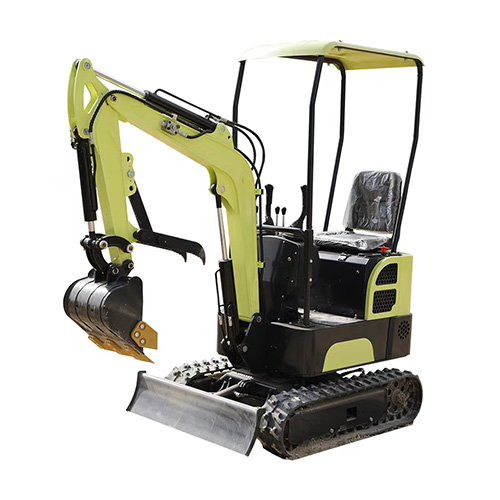
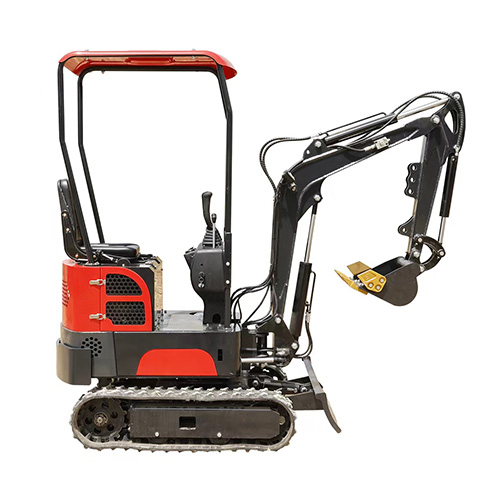
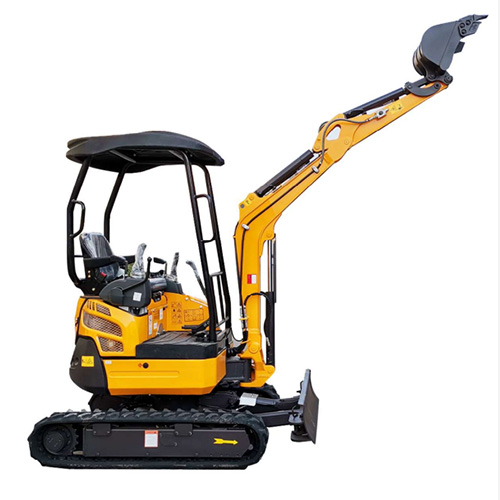
An excavator is built to endure some of the harshest working conditions, making it one of the most durable and reliable machines in the heavy equipment industry. Designed with high-strength materials and robust engineering, these machines are capable of withstanding extreme environments, whether it’s the intense heat of a construction site, the cold and moisture of winter work, or the abrasive conditions of mining operations.
The durability of an excavator is one of its standout features. These machines are engineered to handle demanding workloads day in and day out, withstanding constant heavy lifting, digging, and pushing. The structural components, including the undercarriage, arm, and hydraulic systems, are designed to be resistant to wear and tear, ensuring the excavator continues to perform efficiently over time.
In addition to their sturdy construction, excavators require minimal maintenance, further enhancing their value. While regular maintenance is essential for any heavy machinery, the design of modern excavators allows for longer intervals between servicing. Many of these machines feature self-lubricating components, advanced filtration systems, and durable hydraulic hoses that reduce the need for frequent repairs.
As a result, an excavator can last for many years, even under the most demanding conditions. With proper care, these machines continue to provide excellent performance and reliability, making them a smart investment for any business looking for long-term durability and return on investment. Whether you’re using an excavator on a construction site, a mining operation, or an industrial project, its ability to perform consistently in tough conditions is unmatched, ensuring you get the most value from your equipment.
NO 9. Wide Availability of Models
Excavators come in a wide range of models and sizes, ensuring that there is always a machine perfectly suited to your specific needs. Whether you’re working on a compact residential project or handling large-scale construction, mining, or landscaping tasks, the variety of options available means you can select an excavator that aligns with both the scale of your work and the space constraints you may face.
For smaller or more confined job sites, mini excavators are a popular choice. These compact machines are ideal for working in tight spaces, such as urban construction sites or residential areas with limited access. Despite their smaller size, mini excavators are still highly efficient and can perform a wide array of tasks, including digging, lifting, and material handling, with remarkable precision and agility. Their versatility allows them to easily navigate narrow pathways, doorways, and tight corners, making them an excellent choice when maneuverability is key.
On the other hand, for larger, more demanding projects, heavy-duty excavators are available to tackle substantial workloads. These models are designed to handle the toughest tasks, from deep digging and large-scale demolition to lifting and moving heavy materials. With powerful engines, extended reach, and advanced hydraulic systems, heavy-duty excavators can deliver high performance in challenging conditions, making them an essential tool for large construction projects, mining operations, and infrastructure development.
Whether you’re looking for a mini excavator that offers maneuverability and ease of use in confined spaces or a heavy-duty model capable of handling massive projects, there is always an excavator designed to meet your unique requirements. The ability to choose from such a broad spectrum of models ensures you get the right balance of power, size, and efficiency for any job site.
NO 10. Resale Value and Demand
Due to their robust construction and widespread demand, excavators tend to retain a high resale value, making them a valuable asset for any business. Unlike many other pieces of heavy machinery that can lose value rapidly, excavators are known for their durability and long lifespan, factors that contribute to their strong resale potential.
The demand for used excavators remains consistently high because of their versatility and ability to perform a variety of tasks across different industries. As businesses grow or project needs evolve, there is often a market for second-hand excavators, particularly well-maintained models. This means that if you ever decide to upgrade your equipment, selling your existing excavator can help offset the cost of purchasing a newer, more advanced model.
The resale value of an excavator depends on several factors, including its age, condition, hours of use, and maintenance history. A well-maintained excavator that has undergone regular servicing will not only last longer but also fetch a higher price when resold. Many buyers are willing to invest in a pre-owned excavator as long as it has been properly cared for and can deliver reliable performance.
Furthermore, with the rise of online marketplaces and auction sites dedicated to heavy machinery, selling a used excavator has become more accessible than ever. These platforms connect sellers with buyers worldwide, expanding the pool of potential customers and helping you achieve a fair price for your equipment.
In summary, the combination of high durability, universal demand, and strong resale potential makes excavators a wise investment. When it’s time to upgrade, selling your existing excavator allows you to recoup a significant portion of your initial investment, making the transition to new equipment more affordable and efficient.
Conclusion
An excavator is more than just a piece of equipment—it’s an investment in efficiency, safety, and versatility. Whether you’re a contractor, a landscaper, or a DIY enthusiast, having an excavator can revolutionize your workflow. With so many benefits, it’s no wonder these machines are essential across industries.
FAQ
What industries benefit most from an excavator?
Industries like construction, landscaping, mining, agriculture, and demolition rely heavily on excavators for their versatility. In construction, they’re essential for digging foundations and trenching. For landscaping, excavators are used in grading and creating landscape features. In mining, they help extract materials and move earth, while agriculture uses them for land leveling and irrigation. Demolition projects also depend on excavators to safely tear down structures and remove debris. Their adaptability across these industries makes them a crucial tool in various applications.
4o mini
How do I choose the right excavator for my needs?
Consider factors like project size, terrain, and required attachments. Consulting with experts or suppliers can help you make the best decision.
What is the average lifespan of an excavator?
With proper maintenance, an excavator can last between 10,000 and 15,000 hours or more, which translates to many years of dependable service. Regular maintenance, such as checking hydraulic systems, changing oil, and inspecting components, ensures the machine operates efficiently for an extended period. This durability reduces the need for frequent replacements and minimizes downtime, making an excavator a valuable long-term investment for any business.
Are there eco-friendly excavator options?
Yes, many manufacturers offer electric or hybrid models that are energy-efficient and produce fewer emissions.
Is it better to rent or buy an excavator?
This depends on your project frequency. Renting is cost-effective for short-term needs, while buying is better for regular use.
