
Welcome to My Blog!
Before we dive into the content, I’d love for you to join me on my social media platforms where I share more insights, engage with the community, and post updates. Here’s how you can connect with me:
Facebook:https://www.facebook.com/profile.php?id=61566301589272
Now, let’s get started on our journey together. I hope you find the content here insightful, engaging, and valuable.
Table of Contents
Introduction
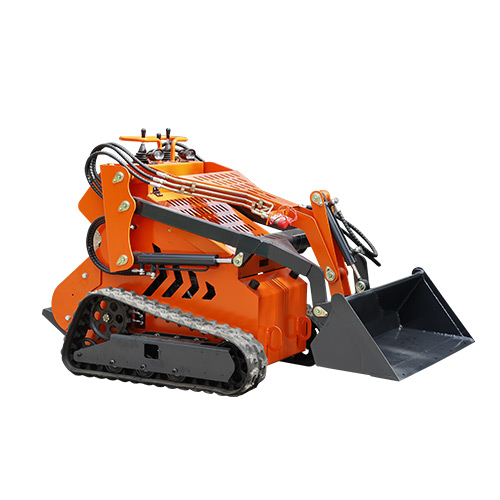
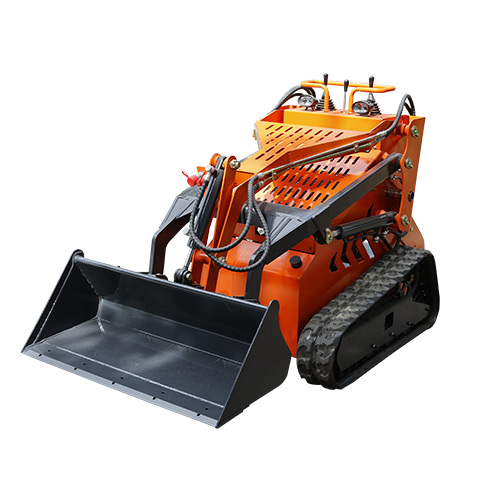
When considering a new skid steer loader, there are several key factors to keep in mind. Whether you’re purchasing this essential equipment for a construction site, farm, or landscaping project, selecting the right skid steer loader new is crucial to ensuring not only optimal performance but also long-term value. A skid steer loader new is a significant investment, and making an informed decision can have a substantial impact on your productivity and operational efficiency. By understanding the full range of features and specifications that matter most for your work environment, you’ll be better equipped to choose a skid steer loader new that meets your unique requirements.
A skid steer loader new is more than just a piece of equipment—it’s a game-changer for a variety of industries. These machines are known for their compact size, yet they deliver immense power and versatility, making them ideal for a wide range of tasks, including digging, lifting, grading, and material handling. With different models and a range of attachments available, finding the right skid steer loader new tailored to your specific needs can be challenging. However, with the right information, you can streamline the decision-making process.
This blog will break down the five most important considerations you should keep in mind before purchasing a new skid steer loader, so you can make a smart, confident purchase. Whether you’re expanding your fleet or purchasing your first skid steer loader new, these insights will ensure you choose a loader that enhances both efficiency and productivity, giving you the best value for your investment.
NO 1. Assess the Tasks You’ll Need Your Skid Steer Loader to Perform
When considering a new skid steer loader, there are several key factors to keep in mind. Whether you’re purchasing this essential equipment for a construction site, farm, or landscaping project, selecting the right machine is crucial for ensuring not only optimal performance but also long-term value. A skid steer loader is a significant investment, and making an informed decision can have a substantial impact on your productivity and operational efficiency. The right loader can save you time, reduce operational costs, and increase the versatility of your equipment. By understanding the full range of features, specifications, and models available, you can tailor your selection to your specific work environment, ensuring the machine delivers the most value.
A skid steer loader new is more than just a piece of equipment—it’s a game-changer for various industries, offering benefits that far exceed its compact size. These powerful machines are versatile and well-suited for a wide range of tasks, including digging, lifting, grading, clearing debris, material handling, and even snow removal. Their ability to accommodate different attachments, such as buckets, forks, or augers, makes them invaluable for many different operations. With numerous models and a wide variety of attachments available, it can be challenging to know exactly what to look for to meet your unique needs. This is where a strategic approach comes into play.
One of the most important aspects of choosing a skid steer loader new is aligning the machine’s features with the specific tasks you need to perform. The market offers a variety of options, from entry-level models designed for lighter tasks to heavy-duty models built for large-scale operations. Ensuring that the loader you choose matches the scope of your work is essential for maximizing its effectiveness and longevity. Additionally, understanding the maintenance needs, fuel efficiency, and overall cost of ownership will help you make the most of your investment.
This blog will break down the five most important considerations you should keep in mind before purchasing a new skid steer loader, so you can make a smart, confident purchase. By addressing critical factors such as the loader’s size, capacity, and compatibility with various attachments, you can select the right model for your specific tasks. Whether you’re expanding your fleet or purchasing your first loader, these insights will help you find a machine that not only enhances efficiency but also maximizes productivity, ultimately giving you the best value for your investment.can narrow down your choices to the models that best fit your operational requirements.
NO 2. Understand the Importance of Bracing Steel in Skid Steer Loader Construction
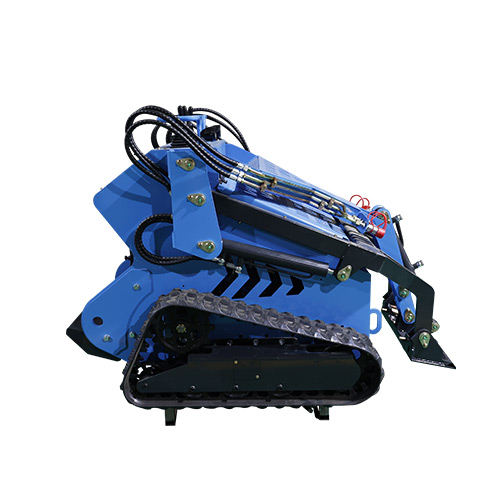
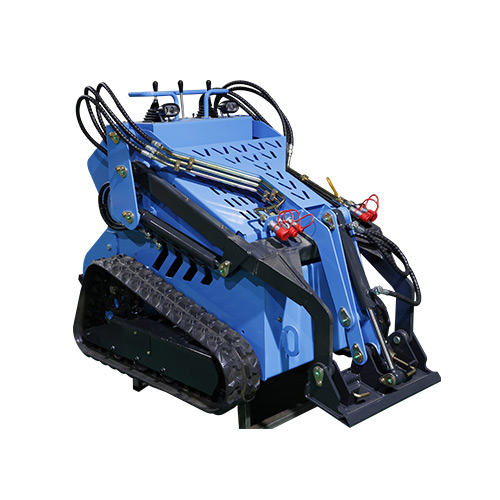
The bracing steel used in the construction of a skid steer loader new plays a significant role in its overall durability and strength. High-quality bracing steel ensures that the loader can withstand heavy loads and intense work conditions without compromising performance. When evaluating models, it’s essential to look for machines that utilize premium-grade bracing steel to avoid wear and tear.
Why is bracing steel crucial?
- Strength: High-quality bracing steel contributes to the loader’s ability to handle tough conditions.
- Longevity: Stronger steel frames lead to a longer lifespan for your equipment.
- Stability: Proper bracing steel helps ensure that the machine remains stable during operation.
When choosing a skid steer loader new, be sure to verify the quality of the materials used in construction, particularly the steel, to ensure it meets the demands of your tasks.
NO 3. Compare the Maintenance Costs and Warranty Options
The bracing steel used in the construction of a skid steer loader new plays a significant role in its overall durability and strength. High-quality bracing steel ensures that the loader can withstand heavy loads and intense work conditions without compromising performance. This is especially important for operators working in tough environments, where the equipment is exposed to constant strain. When evaluating models, it’s essential to look for machines that utilize premium-grade bracing steel to avoid wear and tear, which can reduce the machine’s efficiency and lifespan.
Why is bracing steel crucial?
- Strength: High-quality bracing steel contributes to the loader’s ability to handle tough conditions, including heavy lifting, digging, and pushing tasks. With the right steel, the loader can maintain its structural integrity even when used for demanding jobs.
- Longevity: The durability of bracing steel directly impacts the lifespan of your skid steer loader. Stronger steel frames are less prone to cracks, bends, or other forms of damage, allowing the loader to remain functional for a longer period. This reduces the need for costly repairs and replacements, saving you money in the long run.
- Stability: Proper bracing steel ensures that the machine remains stable during operation, especially when handling heavy loads or working on uneven surfaces. Stability is critical for safety and efficiency, preventing accidents and ensuring smooth operation across various tasks.
- Resistance to Wear and Tear: Premium bracing steel is designed to withstand the constant wear and tear from exposure to harsh environments, heavy machinery, and intense workloads. Choosing a skid steer loader with high-quality bracing steel helps to minimize frequent maintenance and operational downtime.
- Adaptability to Attachments: Skid steer loaders are versatile machines, often used with a variety of attachments such as buckets, forks, and augers. Strong bracing steel ensures that the loader can handle the added stress from these attachments without compromising the structural integrity of the loader.
When choosing a skid steer loader new, be sure to verify the quality of the materials used in construction, particularly the steel. It’s advisable to check the specifications of the model you’re considering to confirm that the bracing steel meets or exceeds industry standards. A loader with high-quality bracing steel is an investment that will not only improve performance but also ensure the machine’s durability and long-term value, making it a smart choice for operators who rely on their equipment for consistent, heavy-duty work.
NO 4. Evaluate the Size and Maneuverability of the Skid Steer Loader
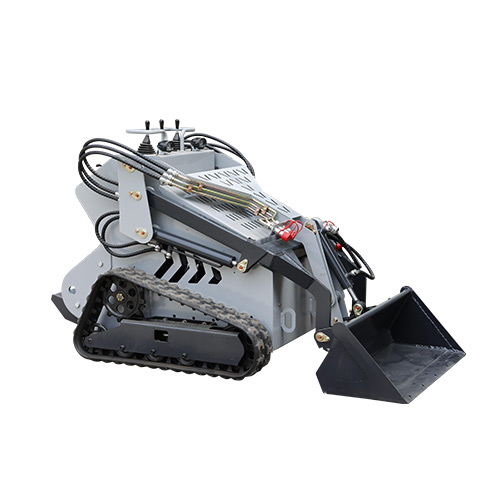
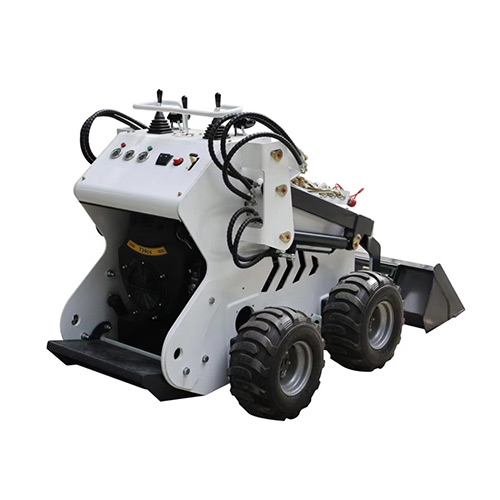
Skid steer loaders come in a range of sizes, and it’s important to choose one that is both efficient and easy to maneuver for the tasks at hand. If you’re working in tight spaces, you’ll want a smaller, more compact model that allows for easy movement around obstacles such as buildings, fences, or other machinery. The right size can significantly enhance your productivity, reduce the amount of time spent repositioning, and help you navigate restricted areas with ease. However, it’s crucial to strike a balance between compactness and the loader’s capability to perform heavier tasks.
Things to consider:
- Width and height: Ensure the loader fits in your workspace and can pass through narrow entrances or gates. Depending on your job site, you may need a machine that can maneuver in confined spaces, so consider the width of the loader. A compact model will give you the advantage of moving through tight spots, but make sure it’s wide enough to handle the tasks you need it to perform. The height of the loader also plays a role, especially if you’re working in areas with low clearance, like under ceilings or in garages.
- Turning radius: A smaller turning radius is crucial for maneuverability in cramped environments. The ability to pivot and change direction quickly without needing large amounts of space can save you time and effort. A skid steer loader with a tight turning radius allows you to work around obstacles, stack materials, or move within confined spaces with minimal repositioning, increasing efficiency in tight areas. This feature is particularly beneficial for urban construction sites, small farms, or landscaping projects.
- Weight: A heavier loader can provide more stability but may be harder to transport or move around in tight areas. While weight can help increase the machine’s stability and lifting capacity, it might limit your ability to move the loader easily in confined spaces. It’s essential to find a model that offers a good balance between weight and maneuverability, so you don’t sacrifice stability for accessibility. Consider whether you’ll need to transport the loader to various job sites and if its weight will affect your ability to load or unload it efficiently.
Taking these factors into account will help you choose a loader that not only meets the demands of your work but also ensures you can move around your job site with ease. Selecting the right size skid steer loader is critical for improving operational efficiency, maintaining safety, and reducing the risk of damage to both the equipment and surrounding structures. Properly considering these aspects will ensure that your skid steer loader is optimized for your work environment and specific tasks, leading to better performance and higher productivity.
NO 5. Consider the Total Cost of Ownership
While the initial purchase price of a skid steer loader new is an important factor, the total cost of ownership over the lifespan of the machine is equally significant. This includes not only the upfront cost but also long-term expenses such as maintenance, fuel, insurance, and other operating costs. These additional costs can quickly add up, so it’s essential to consider them when making a purchasing decision to ensure that the equipment remains affordable and profitable throughout its life cycle.
Here are some factors to consider:
- Fuel efficiency: Skid steer loaders vary in fuel consumption, and the cost of fuel can have a significant impact on your overall operating expenses. Choosing a model with better fuel efficiency will help lower your ongoing costs, especially if your operations involve extensive use of the loader. Some newer models are equipped with technology designed to optimize fuel consumption, reducing the amount of fuel needed for tasks. This not only saves money but also contributes to a more environmentally friendly operation, as lower fuel consumption translates to fewer emissions.
- Insurance: Depending on the value of your loader, insurance costs can add up. It’s important to factor in the cost of insurance when determining the total cost of ownership. The price of insurance can vary based on the type of work the loader will be used for, its size, and its value. Additionally, you may want to consider insurance coverage for damages, theft, and liability, which could affect your budget. Ensuring that you have adequate insurance in place is crucial for protecting your investment and minimizing financial risks associated with unexpected accidents or damage.
- Depreciation: Like any equipment, skid steer loaders depreciate over time. The rate of depreciation can vary depending on the make and model, as well as how frequently the machine is used. Understanding how quickly the loader will lose value can help you make a more informed decision about the machine’s long-term cost-effectiveness. It’s also wise to research the resale value of the model you’re considering to ensure that you can recoup a good portion of your initial investment when it’s time to upgrade. Certain brands and models hold their value better than others, so it’s worth looking into the expected depreciation rate to maximize the return on your investment.
- Maintenance and repairs: Regular maintenance is essential to keep your skid steer loader in good working condition, and the cost of maintaining the machine can vary based on the brand, model, and usage. Skid steer loaders that require fewer repairs and offer lower maintenance costs will save you money over time. When evaluating potential models, consider the availability of replacement parts, the cost of routine maintenance (such as oil changes, tire replacements, and hydraulic checks), and whether the machine comes with any service packages or warranties.
- Financing options: For many businesses, the initial purchase cost of a skid steer loader may not be the only financial consideration. Financing options, such as loans, leases, or payment plans, can affect the total cost of ownership. Be sure to explore your financing options and evaluate how the payment terms align with your budget and cash flow. Some dealers offer attractive financing deals with low interest rates or extended payment periods, which could make the overall investment more manageable.
By considering all of these factors, you can gain a clearer understanding of the total cost of ownership and make a more informed decision when purchasing a new skid steer loader. While the initial price may seem like the most important factor, taking a long-term approach will ensure that you choose a loader that fits your budget and maximizes your return on investment.
Table: Comparison of Popular Skid Steer Loader Models
| Model | Engine Power (HP) | Lifting Capacity (lbs) | Bracing Steel Quality | Fuel Efficiency (mpg) | Warranty Length |
|---|---|---|---|---|---|
| Model A | 55 | 1,750 | High-grade Steel | 20 mpg | 3 years |
| Model B | 60 | 2,000 | Medium-grade Steel | 18 mpg | 4 years |
| Model C | 75 | 2,500 | Premium Steel | 15 mpg | 5 years |
Conclusion
Choosing a skid steer loader new requires careful consideration of your specific needs, the tasks you plan to perform, and the long-term costs associated with the machine. It’s essential to think beyond the immediate purchase price and evaluate the full range of factors that influence the machine’s performance and overall value. By thoroughly assessing the skid steer loader new’s capabilities, bracing steel quality, maintenance requirements, size, and total ownership costs, you can make an informed decision that delivers lasting benefits to your business or project.
The skid steer loader new is an investment that can enhance your operations, so it’s crucial to ensure it meets both your short-term needs and long-term expectations. For example, the quality of the bracing steel used in the construction of a skid steer loader new significantly affects its durability and strength. A robust steel frame ensures the loader can handle tough working conditions and continue operating efficiently without frequent repairs.
Additionally, when selecting a skid steer loader new, take the time to evaluate the machine’s maintenance costs. Some models require more frequent servicing, while others are designed for ease of maintenance, reducing downtime and lowering repair expenses over time. A skid steer loader new that is easier to maintain will not only keep your project on track but also lower the total cost of ownership in the long run.
The size of the skid steer loader new is another important factor to consider. Whether you’re working in confined spaces or larger areas, the machine’s dimensions will influence its maneuverability and efficiency. Compact models are ideal for tighter spaces, while larger models provide more power for heavy-duty tasks. By aligning the size of the skid steer loader new with the tasks you need to perform, you ensure smoother operations and better productivity.
Lastly, the total cost of ownership is a key consideration. While the initial price of the skid steer loader new is an important factor, other costs such as fuel, insurance, maintenance, and potential depreciation should also be factored in. A more fuel-efficient model may have a higher initial price but save you money over time, making it a smarter investment.
Remember to always consult with experts, ask about warranties, and carefully consider all operational aspects before making your purchase. Don’t forget to ask questions about the skid steer loader new’s features, durability, and performance. A well-chosen skid steer loader new can serve you efficiently for many years, boosting your productivity and supporting the growth of your business or project.
FAQ
Q1: What is the average lifespan of a skid steer loader new?
The average lifespan of a skid steer loader can range from 5,000 to 8,000 hours of operation, depending on the brand, maintenance, and how it is used.
Q2: How do I choose the right attachment for my skid steer loader new?
Consider the tasks you need to perform. Attachments range from buckets to augers and mulchers, so select one based on your specific operational needs.
Q3: Is it worth buying a skid steer loader new instead of a used model?
While used models may be cheaper upfront, a skid steer loader new offers the benefit of a full warranty, fewer maintenance issues, and longer service life, which can result in better long-term value.