

Welcome to My Blog!
Before we dive into the content, I’d love for you to join me on my social media platforms where I share more insights, engage with the community, and post updates. Here’s how you can connect with me:
Facebook:https://www.facebook.com/profile.php?id=61566301589272
Now, let’s get started on our journey together. I hope you find the content here insightful, engaging, and valuable.
Table of Contents
Introduction
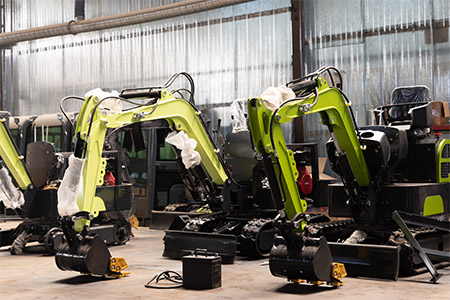
Landscaping projects, whether big or small, require the right tools to ensure efficient work and the desired results. A small digger, also known as a mini excavator or compact digger, can be a crucial piece of equipment for many landscaping tasks. From digging trenches for irrigation systems to removing tree stumps and leveling ground, a small digger provides power and precision in tight spaces, making it an excellent choice for landscaping professionals and DIY enthusiasts alike.
But how do you choose the right small digger for your landscaping needs? With various models, features, and capabilities available, it can be overwhelming to pick the best one for your specific requirements. In this blog, we will explore the factors to consider when choosing a small digger, highlight the key features of different models, and provide you with helpful information to make an informed decision.
What is a Small Digger?
A small digger is a compact, versatile piece of machinery designed for excavation tasks in confined or restricted spaces. These machines are smaller than traditional excavators, allowing them to work in places where larger equipment cannot fit, such as residential properties, small gardens, and tight urban spaces. They come with various attachments, including buckets, augers, and breakers, to handle a wide range of landscaping tasks.
Small diggers are typically powered by either diesel or electric engines and are designed to provide impressive lifting capacity and digging depth despite their size. Their ability to navigate narrow paths and perform tasks such as trenching, digging holes, and moving dirt makes them indispensable for landscaping professionals.
Key Considerations When Choosing a Small Digger


Size and Maneuverability
One of the first things to consider when choosing a small digger for your landscaping needs is the size and maneuverability of the machine. Small diggers come in various sizes, from ultra-compact models with a width of just over a meter to slightly larger machines that offer more power and capacity. The size of the digger you choose should be based on the type of landscaping work you plan to do and the space available for the machine to operate.
If you’re working in a small, crowded garden or on a property with narrow pathways, an ultra-compact digger may be the best choice. However, if you need more lifting power or digging depth, a slightly larger model might be more suitable.
Engine Power and Performance
The engine power of a small digger is another critical factor to consider. While these machines are designed to be compact, they still need sufficient engine power to handle heavy tasks like digging, lifting, and moving material. The engine’s horsepower (HP) and torque output will determine how effectively the digger can perform various tasks.
For light landscaping jobs, a small digger with a lower horsepower engine may suffice. However, for more intensive tasks, such as moving large amounts of soil or digging deep trenches, you will need a digger with a more powerful engine. The engine’s performance will also affect the machine’s fuel efficiency, so be sure to consider long-term operating costs.
Attachments and Versatility
A key feature of small diggers is their versatility. These machines can be fitted with various attachments to expand their capabilities. Common attachments include:
- Buckets: For digging, scooping, and moving dirt or debris.
- Augers: For drilling holes, ideal for planting trees or installing posts.
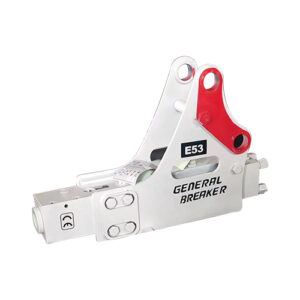
- Breakers: Used for breaking concrete or rocks during demolition projects.
- Grapples: For grabbing and moving large pieces of material.
When choosing a small digger, consider the attachments available for the model you are interested in. Make sure that the machine supports the attachments required for your specific landscaping tasks. Some models come with quick-connect systems, making it easier to switch between attachments.
Hydraulic Systems and Lifting Capacity


The hydraulic system of a small digger plays a vital role in its performance. A strong hydraulic system enables the machine to lift and move heavy loads, such as large rocks or soil. If you are planning on performing tasks that require significant lifting or digging depth, you will need a digger with a high-performance hydraulic system.
Check the lifting capacity and digging depth specifications of the machine. A higher lifting capacity allows the digger to handle heavier materials, while a greater digging depth ensures that you can perform deep excavation tasks, such as trenching for irrigation or laying foundations.
Ease of Operation and Safety Features
Safety and ease of use are crucial factors when selecting any type of heavy machinery, including small diggers. Look for machines with user-friendly controls that are easy to operate, especially if you’re new to using diggers or if multiple operators will be using the machine.
Safety features are also important. Modern small diggers are equipped with safety features such as rollover protection, stable tracks, and automatic shut-off systems in case of malfunction. Make sure the digger you choose is equipped with the necessary safety features to protect both the operator and the equipment.
Key Features of a Small Digger

Here’s a breakdown of some of the key features that make a small digger an excellent choice for landscaping projects:
| Feature | Description |
|---|---|
| Engine Power | Small diggers come with engines ranging from 20 to 50 HP, depending on the model and intended tasks. |
| Lifting Capacity | Lifting capacities can range from 1,200 to 2,500 lbs., allowing the digger to handle various materials. |
| Digging Depth | The digging depth can vary from 6 to 10 feet, ideal for deep trenching and foundation work. |
| Hydraulic Flow | Flow rates from 35 to 50 L/min enable the machine to perform heavy lifting and digging efficiently. |
| Attachments | Various attachments such as buckets, augers, and breakers increase the machine’s versatility. |
| Size | Compact size, typically between 30 and 60 inches in width, allows the machine to navigate tight spaces. |
This table summarizes some of the essential features of a small digger, giving you an idea of what to look for in terms of performance, capacity, and versatility.
Conclusion
Choosing the right small digger for your landscaping needs depends on several factors, including the size of the machine, engine power, attachment options, hydraulic capacity, and safety features. Small diggers are versatile tools that can make a significant difference in your ability to complete landscaping tasks efficiently and effectively. By carefully considering your specific requirements, you can select a small digger that will help you achieve optimal results for your projects.
Investing in the right equipment will save you time and effort, ensuring that your landscaping work is done professionally and to the highest standards. Whether you are a professional landscaper or a DIY enthusiast, a small digger can help you tackle any job with ease.
FAQ
What tasks can a small digger be used for in landscaping?
Small diggers are ideal for tasks such as digging trenches, leveling land, removing tree stumps, creating irrigation systems, and moving dirt or debris.
How deep can a small digger dig?
The digging depth of a small digger typically ranges from 6 to 10 feet, depending on the model and specifications. Be sure to choose a digger that offers the depth needed for your tasks.
What attachments are available for small excavators?
Common attachments for small excavators include buckets, augers, breakers, and grapples. These attachments enhance the machine’s versatility for various landscaping tasks.
Is a small excavator easy to operate?
Most modern small excavators are designed with user-friendly controls. However, it’s always a good idea to take a training course or consult the operator’s manual before using the machine for the first time.
What is the lifting capacity of a small excavator?
The lifting capacity of small diggers typically ranges from 1,200 to 2,500 lbs., depending on the model. Choose a excavator with sufficient lifting capacity for your specific tasks.
Are small excavators safe to operate?
Yes, small excavators come with safety features such as rollover protection, stable tracks, and automatic shut-off systems to ensure safe operation. Always follow safety guidelines when using the equipment.
Can small excavators be used for residential landscaping projects?
Yes, small excavators are perfect for residential landscaping projects, especially in tight spaces or areas with limited access. They are compact, versatile, and easy to maneuver.