
Welcome to My Blog!
Before we dive into the content, I’d love for you to join me on my social media platforms where I share more insights, engage with the community, and post updates. Here’s how you can connect with me:
Facebook:https://www.facebook.com/profile.php?id=61566301589272
Now, let’s get started on our journey together. I hope you find the content here insightful, engaging, and valuable.
Table des matières
Introduction
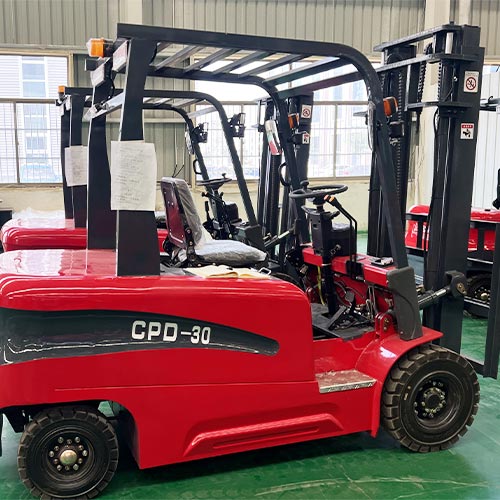

In 2025, as sustainability takes center stage for industries worldwide, businesses are making significant shifts toward more eco-friendly solutions. One area where this is particularly evident is in material handling equipment, with many companies increasingly opting for electric forklifts. These machines have become an essential part of the modern industrial landscape due to their capacity to significantly reduce emissions, cut down on operational costs, and improve efficiency, making them an attractive choice over traditional gas-powered forklifts.
Electric forklifts not only help businesses comply with stringent environmental regulations but also deliver long-term financial benefits. The rising concerns over climate change, pollution, and energy consumption have led to a global push for greener, more sustainable alternatives across various sectors. Electric forklifts play a key role in this transition, offering an environmentally responsible option without compromising on performance.
However, with so many options available in the market today, selecting the right electric forklift for your specific business needs can seem overwhelming. There are various models and features to consider, each suited to different types of operations. Whether you’re in a warehouse, distribution center, or manufacturing facility, choosing the right forklift requires understanding your specific requirements, such as the load capacity, battery type, and available space for operation. It’s not just about picking a machine that works, but one that aligns with your long-term business goals, sustainability targets, and budget constraints.
This blog will help you navigate the process of choosing the best electric forklift for your business. We will explore the key factors to consider, such as load capacity, battery life, energy efficiency, maneuverability, and cost-effectiveness. By understanding these aspects, you’ll be better equipped to make an informed decision, ensuring that the forklift you choose maximizes productivity, reduces costs, and contributes positively to your sustainability efforts.
Whether you’re upgrading your current fleet or making a first-time purchase, this guide will provide you with the insights you need to choose an electric forklift that enhances your operations and meets the challenges of today’s rapidly evolving business landscape.
Key Factors to Consider When Choosing an Electric Forklift
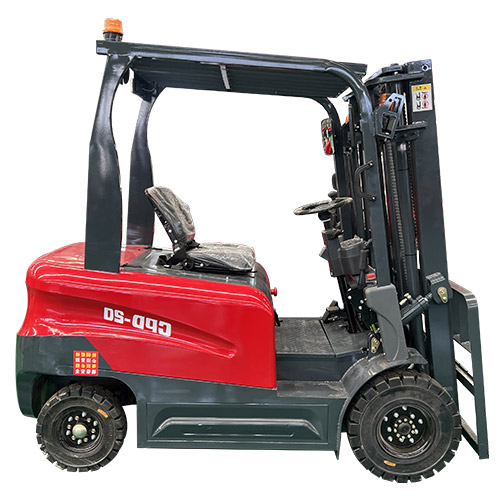
NO 1. Load Capacity: How Much Weight Do You Need to Lift?
One of the most important factors to consider when selecting an electric forklift is its load capacity. The forklift’s ability to handle the weight of the materials you need to lift will directly impact your operations. Overloading a forklift can cause serious safety hazards and operational inefficiencies.
Electric forklifts come in a wide range of load capacities. Here’s a breakdown:
- Light-duty forklifts (up to 3,000 lbs) are ideal for handling small pallets, boxes, and light materials typically found in retail, small warehouses, or smaller logistics operations.
- Medium-duty forklifts (3,000 – 5,000 lbs) are suitable for most general-purpose warehouse operations and are commonly used in manufacturing, distribution, and logistics.
- Heavy-duty forklifts (5,000 lbs and above) are used in industries like construction, large-scale warehousing, and manufacturing that require heavy lifting for bulk materials and large pallets.
It’s essential to choose a forklift with a load capacity that meets or slightly exceeds your requirements to ensure both safety and efficiency. If in doubt, it’s always a good idea to opt for a model with a slightly higher capacity to accommodate any potential future needs.
NO 2. Battery Life and Charging Time: Maximizing Uptime
Battery life and charging times are key considerations when choosing an electric forklift. Businesses often operate around tight schedules and need their equipment to be available for as long as possible each day. The length of time your forklift can run on a single charge and how quickly it can be recharged will determine your operational efficiency.
When evaluating battery specifications, keep these factors in mind:
- Battery Type: Lithium-ion batteries are generally considered superior to traditional lead-acid batteries due to their faster charging times, longer lifespan, and higher energy efficiency. While lithium-ion batteries come with a higher upfront cost, they typically offer better long-term value due to lower maintenance needs and longer service life.
- Operating Hours: Depending on your business operations, you may need a forklift that can work for extended hours without requiring a recharge. Some electric forklifts can operate continuously for up to 8 hours or more, while others may need recharging after 4-6 hours of operation. Consider how long your typical shift is and whether the forklift will be in constant use.
- Charging Time: Quick-charging forklifts can help reduce downtime, allowing the forklift to return to service faster. Look for models with charging times of 4-6 hours, or even less, if your operations are time-sensitive.
If your business operates in a fast-paced environment with multiple shifts, a forklift that supports fast charging or quick battery swaps may be the best choice.
NO 3. Maneuverability: Adaptability for Tight Spaces
Electric forklifts are often favored in warehouse and retail environments where space can be tight. Maneuverability is a critical factor in determining how easily your forklift can navigate aisles, tight corners, and other confined spaces. A forklift that can turn and operate in narrow aisles will make your operations more efficient and help maximize the space in your warehouse.
Consider these key factors:
- Turning Radius: Forklifts with smaller turning radii are ideal for tight environments where maneuvering through narrow aisles or turning around corners is required. A smaller turning radius reduces the need for complex turning or multiple adjustments to fit into spaces.
- Overall Size: While larger forklifts can handle bigger loads, they may be too bulky for small spaces. For most warehouse operations, selecting a forklift with compact dimensions is critical to saving space and improving efficiency.
- Forklift Height: Some electric forklifts are designed with low overhead clearances, which allow them to operate in areas with low ceilings or tight storage spaces.
Choosing a model with excellent maneuverability ensures that your electric forklift can seamlessly operate in confined areas without causing damage to shelves, products, or surrounding infrastructure.
NO 4. Environmental Impact: Supporting Your Sustainability Goals
Electric forklifts are inherently more environmentally friendly than their internal combustion counterparts. By choosing electric forklifts, your business can contribute to reducing greenhouse gas emissions and help meet sustainability goals.
Some key environmental advantages include:
- Zero Emissions: Unlike diesel or LPG forklifts, electric forklifts produce no harmful exhaust emissions, making them perfect for use in indoor spaces or environmentally sensitive areas.
- Energy Efficiency: Electric forklifts are more energy-efficient than their gas-powered counterparts. They use significantly less energy to operate, translating into lower energy bills for your business over time.
- Noise Reduction: Electric forklifts operate much more quietly compared to traditional forklifts, reducing noise pollution in your workplace and contributing to a quieter, more pleasant working environment for employees.
By choosing electric forklifts, businesses can not only contribute to cleaner air but also improve workplace safety and employee satisfaction.
NO 5. Total Cost of Ownership: Finding the Right Balance
When selecting an electric forklift, it’s important to think beyond the initial purchase price. While the upfront cost of electric forklifts can sometimes be higher than traditional models, their lower maintenance, fuel, and energy costs lead to substantial savings over time.
Consider the following in terms of total cost of ownership:
- Initial Purchase Price: Electric forklifts typically have a higher purchase cost compared to internal combustion models due to the advanced technology and higher-quality components used. However, this cost is often offset by long-term savings in energy, maintenance, and fuel costs.
- Maintenance Costs: Electric forklifts have fewer moving parts compared to gas-powered forklifts, meaning they generally require less maintenance. No oil changes, fewer parts subject to wear and tear, and fewer mechanical repairs translate into lower maintenance costs.
- Energy Costs: Charging an electric forklift is far cheaper than refueling a diesel or LPG forklift. This can lead to significant savings in operational costs, especially if the forklift is in use for extended hours every day.
By carefully assessing the long-term cost implications, businesses can ensure they are making a financially sound decision.
Comparison Table: Key Features of Electric Forklifts
Here’s a comparison table that can help you evaluate the key specifications of electric forklifts based on their size and capacity:
| Fonctionnalité | Light-duty Forklifts | Medium-duty Forklifts | Heavy-duty Forklifts |
|---|---|---|---|
| Capacité de charge | Up to 3,000 lbs | 3,000 – 5,000 lbs | 5,000+ lbs |
| Type de batterie | Lead-acid or Lithium-ion | Lithium-ion | Lithium-ion or Lead-acid |
| Operating Hours | 4 – 6 hours | 6 – 8 hours | 8 – 10 hours |
| Rayon de braquage | Small (less than 50 in) | Medium (50 – 70 in) | Large (over 70 in) |
| Temps de charge | 6 – 8 hours | 5 – 7 hours | 4 – 6 hours |
Conclusion
Choisir le meilleur electric forklift for your business in 2025 involves more than just picking a machine with the right specifications—it requires a comprehensive understanding of your operational needs and long-term business goals. As businesses continue to evolve, having the right material handling equipment can directly impact your overall efficiency, cost management, and sustainability efforts.
Electric forklifts are no longer just an alternative to traditional fuel-powered models; they have become an essential component of modern material handling operations. They are particularly valuable in businesses focused on achieving sustainability targets, reducing operational costs, and improving workplace safety. However, choosing the right forklift involves carefully assessing several key factors, including load capacity, battery life, maneuverability, and environmental impact.
Understanding these factors not only ensures that you select a forklift capable of handling your tasks effectively but also helps you identify the most cost-efficient and eco-friendly options available in the market. Given the growing need for businesses to meet sustainability goals and reduce their carbon footprint, electric forklifts provide an excellent opportunity to align operations with environmental initiatives. Additionally, businesses that invest in the right electric forklift can enjoy long-term savings through reduced energy consumption, lower maintenance costs, and fewer repairs over time.
When evaluating electric forklifts, it’s crucial to consider the total cost of ownership, which includes initial purchase price, energy costs, maintenance requirements, and potential downtime. In many cases, the upfront investment in a high-quality electric forklift will pay off quickly through the reduction in operational costs and increased productivity. Furthermore, businesses that prioritize energy efficiency can experience significant cost savings, especially if they operate in an environment where forklifts are used frequently.
Electric forklifts are designed with a variety of features that improve productivity. For example, their ability to operate in tight spaces, coupled with the smoothness of electric-powered motors, enables businesses to increase throughput without sacrificing safety or quality. Moreover, the lower noise levels compared to gas-powered machines make for a quieter and safer workplace, which can enhance both employee well-being and productivity.
Ultimately, selecting the right forklift comes down to understanding the specific needs of your business. Whether you’re in a high-demand industry that requires fast turnaround times or you need a forklift with the ability to handle heavy loads, evaluating your operational requirements will help you make an informed decision. The right electric forklift will not only meet your immediate needs but also position your business for future growth, sustainability, and cost reduction.
By carefully assessing load capacity, maneuverability, battery performance, and the total cost of ownership, you can ensure that your electric forklift provides the optimal combination of efficiency, durability, and value. This thoughtful approach will allow you to reap the long-term benefits of choosing a machine that complements your operations and helps you achieve your sustainability and business goals. Whether you’re seeking to reduce energy consumption, minimize maintenance costs, or improve workplace efficiency, the right electric forklift will be an investment that pays dividends for years to come.
FAQ
Q1. What is the difference between lithium-ion and lead-acid batteries in electric forklifts?
Choosing the best electric forklift for your business in 2025 requires more than just matching specifications—it involves understanding your operational needs and long-term goals. As businesses prioritize sustainability, cost management, and efficiency, electric forklifts have become a crucial part of modern material handling. They help reduce emissions, lower operational costs, and improve workplace safety.
To make the right choice, it’s important to evaluate factors like load capacity, battery life, maneuverability, and environmental impact. A forklift that aligns with your needs will boost productivity and provide long-term savings. Businesses investing in the right electric forklift benefit from lower energy consumption, reduced maintenance costs, and fewer repairs.
Key considerations include the total cost of ownership, which factors in the purchase price, energy costs, and maintenance. A high-quality electric forklift often provides rapid returns by lowering operational expenses and enhancing efficiency. Moreover, electric forklifts are quieter and more maneuverable, making them ideal for tight spaces while contributing to a safer, more comfortable work environment.
Ultimately, selecting the right forklift ensures not only immediate operational improvements but also supports future growth and sustainability. By assessing your specific needs carefully, you can make an informed decision that will optimize productivity, reduce costs, and align with your long-term business goals.
Q2. How long does an electric forklift last?
Electric forklifts generally have a lifespan of 5 to 10 years, though this can vary based on factors such as frequency of use, maintenance practices, and the type of battery installed. Forklifts that are used frequently or for heavy-duty tasks may experience more wear and tear, leading to a shorter lifespan, while those in less demanding environments may last longer.
Proper maintenance is crucial in maximizing the longevity of an electric forklift. Regular servicing, such as checking the battery health, inspecting the wheels and tires, and ensuring the hydraulic systems are functioning properly, can significantly extend its operational life. Additionally, keeping the forklift clean and addressing any minor issues promptly can prevent more significant problems from developing.
Battery maintenance is particularly important, as the battery typically accounts for a large portion of an electric forklift’s overall cost. High-quality batteries, if well-maintained and regularly charged correctly, can last for years, providing reliable performance. Conversely, poor charging habits or failure to maintain the battery can result in a shorter lifespan.
By investing in proper care and regular maintenance, you can ensure that your electric forklift continues to operate efficiently for many years, delivering value and minimizing unexpected repair costs.
Q3. Can electric forklifts be used outdoors?
Electric forklifts are primarily designed for indoor use, but certain models are suitable for outdoor use, provided they have the proper tires and weatherproofing for outdoor environments.
Q4. Are electric forklifts more expensive than gas-powered forklifts?
Electric forklifts tend to have a higher upfront purchase cost but are generally more economical over time due to lower energy and maintenance costs.
Q5. Do electric forklifts require special training?
Yes, operators need specialized training to safely operate electric forklifts. However, electric forklifts are easier to handle than their internal combustion counterparts and typically require less training.