
Welcome to My Blog!
Before we dive into the content, I’d love for you to join me on my social media platforms where I share more insights, engage with the community, and post updates. Here’s how you can connect with me:
Facebook:https://www.facebook.com/profile.php?id=61566301589272
Now, let’s get started on our journey together. I hope you find the content here insightful, engaging, and valuable.
Table des matières
Introduction
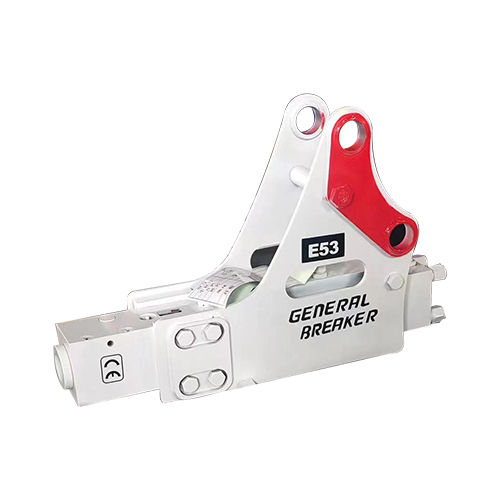
A hydraulic breaker is an essential piece of equipment for any construction or demolition project. This powerful tool uses hydraulic energy to deliver impactful blows that break through tough materials like concrete, rock, and asphalt, making it indispensable for tasks such as excavation, roadwork, and foundation demolition. When functioning optimally, a hydraulic breaker can significantly speed up operations and enhance productivity. However, like all heavy machinery, hydraulic breakers are susceptible to wear and tear over time, and underperformance can occur for a variety of reasons.
When a hydraulic breaker isn’t working at its full capacity, it can cause project delays, increase operational costs, and even lead to safety risks. The performance of the hydraulic breaker is critical, as it directly affects both the efficiency and safety of the job site. Whether you are an operator or a project manager, understanding the common reasons for underperformance and knowing how to address them can save you from costly repairs and unproductive downtime.
In this guide, we will delve into the most frequent causes of underperformance in hydraulic breakers and provide practical solutions that can restore the equipment to its full potential. By following the steps outlined below, you can improve the overall performance of your hydraulic breaker, avoid unnecessary downtime, and keep your projects running smoothly. Understanding these issues and acting on them proactively will help extend the lifespan of your equipment, maximize productivity, and ensure that your hydraulic breaker continues to deliver powerful results when you need them most.
So, let’s explore the potential issues that could cause your hydraulic breaker to underperform and discuss how you can fix them effectively. By the end of this post, you’ll be equipped with the necessary knowledge to troubleshoot and maintain your equipment, keeping it in top shape for the long term.
NO 1. Insufficient Hydraulic Pressure: The Root Cause of Low Impact
One of the most common reasons a hydraulic breaker underperforms is insufficient hydraulic pressure. Hydraulic breakers rely on high-pressure hydraulic fluid to generate the necessary force for breaking through tough materials like concrete and rock. When the pressure is too low, the breaker cannot produce the impact required to perform efficiently, significantly affecting its overall performance.
Low pressure can result from several factors, including low hydraulic fluid levels, leaks in the system, or faulty pressure relief valves. These issues disrupt the flow of hydraulic fluid, preventing the hydraulic breaker from generating the necessary force. A hydraulic breaker operating under these conditions will struggle to break materials, leading to slower work progress and potentially causing unnecessary strain on the equipment, which can lead to more serious mechanical problems over time.
To diagnose low hydraulic pressure, the first step is to check the hydraulic fluid levels. If the fluid is low, it can reduce the pressure within the system. Regularly topping up the hydraulic fluid is essential to ensure that the breaker operates at peak performance. If the fluid levels are adequate, the next step is to inspect the system for leaks. Leaking hydraulic lines or fittings can lead to pressure loss and significantly reduce the breaker’s effectiveness. Pay special attention to the hoses, valves, and seals, as these are common areas for leaks to occur.
Another possible cause of insufficient hydraulic pressure is a malfunctioning pressure relief valve. This valve is responsible for regulating the pressure within the system, and if it becomes faulty, it may prevent the hydraulic breaker from reaching the optimal pressure levels needed for effective operation. Replacing or repairing the pressure relief valve can restore the hydraulic breaker’s performance.
To thoroughly check for low hydraulic pressure, use a pressure gauge to monitor the system during operation. The gauge will provide real-time readings of the pressure within the hydraulic system, helping you identify any fluctuations or inconsistencies. If the pressure is consistently lower than the manufacturer’s recommended level, it’s time to address the underlying issue.
Maintaining proper hydraulic pressure is crucial to ensuring that your hydraulic breaker works efficiently and delivers the force necessary for heavy-duty tasks. By performing regular checks and addressing issues related to hydraulic pressure, you can extend the lifespan of your equipment, reduce downtime, and enhance productivity on your construction or demolition project.
How to Fix Low Hydraulic Pressure
- Check Hydraulic Fluid Levels: Always ensure the fluid levels are adequate, as low fluid can lead to pressure loss.
- Inspect for Leaks: Look for leaks in the hoses, fittings, and seals. Replace any damaged parts immediately to maintain proper pressure.
- Test the Pressure Relief Valve: If the relief valve is malfunctioning, it can cause pressure fluctuations. Have it tested and replaced if necessary.
By addressing hydraulic pressure issues early, you can restore your breaker’s power and prevent further damage.
NO 2. Worn or Damaged Components: How to Identify and Replace Parts
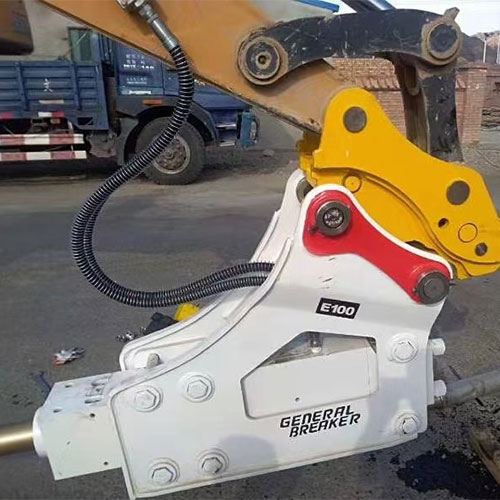
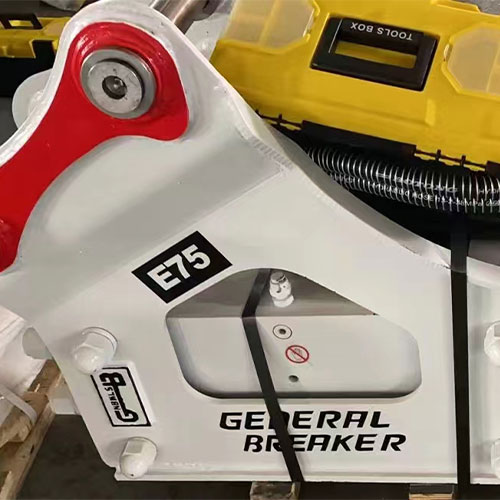
Worn or damaged components can significantly impact the performance of a hydraulic breaker, often resulting in a noticeable drop in its effectiveness and efficiency. Hydraulic breakers are heavy-duty tools designed for tough tasks such as breaking through concrete, rock, and other hard materials. However, the constant use of the breaker over time leads to wear and tear on various parts of the machine. Key components such as the piston, accumulator, and tool bushings are particularly susceptible to damage and wear, which in turn can reduce the breaker’s impact force, slow down its operation, and even lead to mechanical failures if not addressed promptly.
The piston is one of the most critical components in a hydraulic breaker. It transfers hydraulic energy into impact force, allowing the breaker to break through solid materials. Over time, the piston can wear down, causing a decrease in the energy transferred to the tool. As a result, the hydraulic breaker may produce less force with each strike, making it less efficient at breaking through materials. If the piston becomes severely worn, it may lead to inconsistent performance, where some hits are weaker than others, further hindering the breaker’s ability to work efficiently.
The accumulator is another important component in the hydraulic breaker, storing and releasing hydraulic pressure during operation. When the accumulator becomes damaged or loses its ability to maintain pressure, the breaker can experience a reduction in power. This is especially noticeable during heavy-duty tasks that require maximum impact force. A faulty accumulator can cause the hydraulic breaker to underperform, leading to slower and less effective operation. In some cases, a damaged accumulator may even result in a complete failure of the hydraulic breaker.
Tool bushings also experience significant wear, as they help cushion and stabilize the tool during operation. These bushings can degrade over time due to the constant pressure and impact, leading to excessive vibrations and instability in the hydraulic breaker. When tool bushings become worn, the tool may not fit properly, leading to misalignment and reduced efficiency. Furthermore, misalignment can cause the hydraulic breaker to wear out other components more quickly, exacerbating the overall performance issues.
A common symptom of worn components is a noticeable drop in the hydraulic breaker’s efficiency. This may be marked by longer times to break through materials, requiring more hits to achieve the same result. The breaker may also generate less force with each strike, making it less effective at breaking tough materials. These symptoms often point to the wear and tear of critical components, which, if left unchecked, can lead to further degradation of the machine and more costly repairs in the future.
To prevent such performance issues, regular inspections and maintenance are essential for identifying worn or damaged components before they cause significant problems. Operators should keep a close eye on the condition of key parts such as the piston, accumulator, and tool bushings. If any of these components show signs of wear, they should be replaced immediately to restore the hydraulic breaker to optimal performance. It’s also important to follow the manufacturer’s guidelines for maintenance intervals to ensure that all components are in good working order.
In conclusion, worn or damaged components are a major cause of underperformance in hydraulic breakers. Piston wear, accumulator failure, and tool bushing degradation can all contribute to a decrease in impact force and slower operation. By performing regular maintenance, replacing worn components as needed, and keeping the hydraulic breaker in optimal condition, you can ensure that it continues to perform efficiently and effectively, minimizing downtime and extending the lifespan of the equipment.
Key Components to Inspect:
- Piston: Check for signs of wear or cracks, which can cause a loss of impact energy.
- Accumulator: The accumulator stores hydraulic fluid and is essential for smooth operation. If it’s damaged, it can cause irregular performance.
- Tool Bushings: Over time, bushings can become loose or worn, leading to a decrease in the breaker’s ability to transfer energy efficiently.
How to Fix Worn Components:
- Inspect Regularly: Perform frequent inspections to catch any wear or damage early.
- Replace Damaged Parts: When components are too worn to be repaired, replace them with OEM (original equipment manufacturer) parts for the best results.
Regular maintenance of key components will help keep your hydraulic breaker functioning at its best and extend its lifespan.
NO 3. Improper Tool Selection: Why the Right Chisel Matters
Another reason for underperformance in hydraulic breakers is the use of the wrong tool for the job. The chisel or tool you use with the hydraulic breaker is a critical factor that directly impacts how effectively and efficiently the machine operates. Choosing the correct size, material, and type of chisel or tool ensures that the hydraulic breaker functions optimally, delivering the right amount of force and power to tackle tough materials. However, using the wrong tool can significantly reduce the breaker’s impact force, leading to slower progress, increased wear and tear, and ultimately less effective performance.
When using a hydraulic breaker, the tool you choose should match the specific requirements of the task at hand. If the chisel is too small or too large for the job, it can cause inefficiency and uneven performance. For example, using a chisel that is too small may result in the hydraulic breaker working harder than necessary to break through the material. This forces the machine to expend more energy for less impact, leading to reduced efficiency. Conversely, using a chisel that is too large for the job can cause the hydraulic breaker to struggle to deliver the necessary force, which can lead to excessive vibrations, damage to the tool, and potential strain on the entire hydraulic system.
The size of the chisel affects how well the hydraulic breaker can transmit force. A chisel that is too small may not be able to absorb the impact properly, causing excessive vibrations that reduce both the tool’s and the hydraulic breaker’s lifespan. On the other hand, a chisel that is too large may not fit properly with the hydraulic breaker, causing the breaker to lose control over the force being applied. This misalignment can lead to less effective performance, slower progress, and increased wear on both the breaker and the tool.
The material of the tool also plays an essential role in the performance of a hydraulic breaker. Hydraulic breaker tools are subjected to extreme pressure and force, which means that they need to be made of durable, high-quality materials that can withstand these stresses without wearing down too quickly. Using tools made from inferior materials, such as low-quality steel, can cause the chisel to deteriorate faster, leading to frequent replacements and a decrease in overall performance. A damaged or worn-out chisel will no longer transmit the necessary impact force efficiently, causing the hydraulic breaker to underperform. Additionally, inferior materials can result in the tool becoming brittle, which increases the likelihood of breakage during heavy-duty operations.
To avoid these issues, it is important to select the appropriate chisel or tool for the specific job requirements. For instance, when working with hard materials like concrete or rock, a heavier, more robust chisel made from high-strength materials is necessary. On the other hand, for softer materials, a lighter chisel may suffice. Matching the tool to the task not only optimizes the hydraulic breaker’s performance but also helps extend the life of both the tool and the machine.
Additionally, regularly inspecting the condition of the tool is crucial for maintaining optimal performance. If the chisel or tool shows signs of wear or damage, it should be replaced immediately to ensure the hydraulic breaker continues to perform at its best. Over time, the tool will naturally degrade due to the constant impact, so regular checks for cracks, chips, and other signs of wear are important.
In conclusion, using the wrong tool with a hydraulic breaker can have a significant negative impact on its performance. Whether the chisel is the wrong size, made from inferior material, or not designed for the specific job, these factors can reduce impact force, increase wear, and cause inefficiency. To ensure that the hydraulic breaker works effectively, always select the correct tool based on the material and task, and replace worn-out or damaged tools promptly. By doing so, you can keep the hydraulic breaker functioning at peak performance, reduce downtime, and extend the lifespan of both the breaker and its tools.
How to Choose the Right Tool:
- Match the Tool to the Job: Choose a chisel or tool that’s appropriate for the material you’re breaking, whether it’s concrete, rock, or asphalt.
- Use High-Quality Tools: Ensure the tool is made from high-quality materials to withstand the hydraulic breaker’s impact force.
By selecting the right tools and using them correctly, you can optimize your hydraulic breaker’s performance and increase productivity.
NO 4. Contaminated Hydraulic Fluid: How to Prevent Clogs and Sluggish Operation
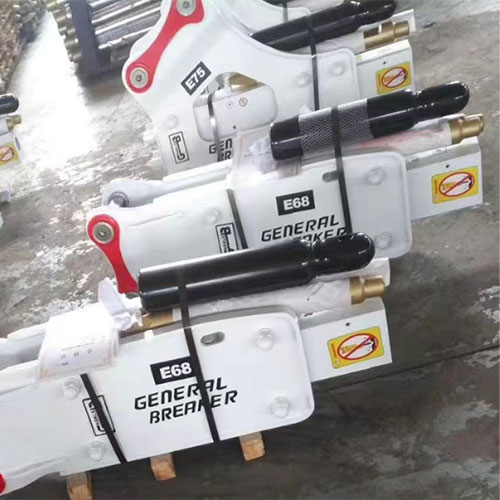

Hydraulic fluid contamination is another common issue that can cause a hydraulic breaker to underperform. The hydraulic fluid plays a critical role in powering the breaker by transmitting force through the hydraulic system. If the fluid becomes contaminated with substances such as dirt, water, or air, it can severely affect the performance of the hydraulic breaker, leading to sluggish operation, reduced impact force, and even potential mechanical damage.
When contaminants enter the hydraulic system, they can cause several problems. For example, dirt and debris can clog the filters, which are designed to catch harmful particles before they circulate through the system. This clogging reduces the efficiency of the filtration system, allowing contaminants to flow into sensitive parts of the hydraulic breaker. Over time, this buildup can block hydraulic lines, impeding the smooth flow of fluid to the breaker and causing the machine to lose its full power output.
Water contamination is another significant concern. Water can enter the hydraulic fluid through condensation or external sources like rain. When water mixes with the hydraulic fluid, it can reduce the fluid’s lubricating properties and cause the metal components of the hydraulic breaker to rust. Rust and corrosion can lead to mechanical failure, expensive repairs, and even complete equipment breakdown if not addressed promptly. Additionally, water can cause the hydraulic fluid to foam, which in turn affects the system’s ability to transmit force efficiently, leading to underperformance.
Air in the hydraulic system can also cause issues, known as cavitation. Cavitation occurs when air bubbles are introduced into the hydraulic fluid, creating a series of pressure changes that can result in a loss of power and efficiency. The presence of air in the system can lead to uneven pressure levels, causing the hydraulic breaker to operate inconsistently and at a reduced level of force. This disruption can hinder the breaker’s ability to generate sufficient impact, slowing down work processes and reducing overall productivity.
To prevent hydraulic fluid contamination and its impact on the hydraulic breaker’s performance, it’s essential to implement a regular maintenance routine. This includes checking the fluid condition and changing it at intervals recommended by the manufacturer. You should also ensure that the filters are regularly cleaned or replaced to keep contaminants from circulating through the system. In addition, it’s important to inspect all seals, fittings, and connections for any signs of leakage, as these can be potential entry points for contaminants.
If contamination is suspected, a thorough flushing of the hydraulic system may be necessary to remove any dirt, water, or air. Once the system has been cleaned, fresh, high-quality hydraulic fluid should be added to prevent further contamination. By maintaining the cleanliness and integrity of the hydraulic fluid, you can keep your hydraulic breaker operating at peak performance, reducing downtime and avoiding costly repairs in the future.
In conclusion, hydraulic fluid contamination is a significant factor in the underperformance of a hydraulic breaker. By staying vigilant and adhering to proper maintenance practices, such as regular fluid checks, cleaning filters, and inspecting seals, you can ensure that your hydraulic breaker continues to deliver powerful, efficient results on the job site.
How to Prevent Contaminated Hydraulic Fluid:
- Change Fluid Regularly: Ensure the hydraulic fluid is changed according to the manufacturer’s recommendations.
- Check Filters: Inspect and replace filters regularly to prevent contaminants from entering the system.
- Use Clean Fluid: Always use clean, high-quality hydraulic fluid that’s suitable for your breaker.
Proper fluid maintenance is essential for maintaining hydraulic breaker performance and preventing costly repairs.
NO 5. Inadequate Operator Training: The Importance of Proper Operation
Sometimes, hydraulic breakers underperform due to operator error. Even the most reliable equipment cannot perform at its best if not operated properly. Inexperienced or untrained operators may misuse the equipment, leading to inefficiency, excessive wear, and even potential damage to the hydraulic breaker.
A common mistake is using too much force. Operators may assume that applying more pressure will speed up the work, but this can overload the hydraulic system, causing premature wear on critical components like the piston and accumulator. Overloading the machine not only reduces its efficiency but also increases the risk of breakdowns.
Improper handling techniques, such as misaligning the tool with the material, can also reduce performance. If the tool isn’t positioned correctly, the breaker won’t deliver maximum impact, wasting energy and causing excessive vibration. This can lead to slower work and increased wear on both the tool and the hydraulic breaker.
Another issue is working the hydraulic breaker at the wrong angle. A poor angle can make it harder for the breaker to penetrate the material effectively, reducing efficiency and extending the time needed to complete the task. This can cause delays and may damage the surface being worked on.
Regular rest periods are also important. Continuous operation without cooling breaks can overheat the machine, leading to reduced performance. Operators should follow the manufacturer’s guidelines for duty cycles to avoid overheating and ensure the hydraulic breaker runs smoothly.
In conclusion, operator error is a key factor in hydraulic breaker underperformance. Proper training on handling, tool selection, and technique can prevent common mistakes that lead to inefficiency and equipment damage. By ensuring operators are well-trained and familiar with the equipment’s capabilities, you can maximize the performance and lifespan of your hydraulic breaker.
How to Train Operators:
- Provide Comprehensive Training: Ensure that all operators are properly trained on how to use the hydraulic breaker safely and effectively.
- Teach Proper Techniques: Operators should be taught to adjust the pressure settings and tool selection based on the material they’re working with.
- Monitor Operator Performance: Regularly check how operators are using the equipment to ensure they follow best practices.
By ensuring that your operators are well-trained, you can avoid common mistakes that lead to underperformance.
Table: Hydraulic Breaker Maintenance Checklist
| Tâche de maintenance | Fréquence | Importance | Fix/Action |
|---|---|---|---|
| Vérifier les niveaux d'huile hydraulique | Quotidiennement | Haut | Refill or replace fluid if levels are low |
| Inspect for hydraulic leaks | Hebdomadaire | Haut | Replace damaged hoses, seals, or fittings |
| Examine tool and piston wear | Mensuel | Moyen | Replace worn tools or pistons |
| Test pressure relief valve | Every 3 months | Haut | Replace or repair if malfunctioning |
| Clean or replace filters | Every 6 months | Moyen | Clean or replace filters to prevent clogging |
| Review operator techniques | Ongoing | Moyen | Provide training as needed to ensure proper usage |
Conclusion
If your hydraulic breaker is underperforming, there are several key issues to consider, from low hydraulic pressure to worn-out components or contaminated fluid. By following the five fixes outlined above, you can address these problems and restore your breaker’s power and efficiency. Regular maintenance, proper tool selection, and operator training will not only improve the performance of your equipment but also extend its lifespan, ultimately saving you time and money on costly repairs.
Remember, proactive care is essential to maintaining optimal performance. Keep an eye on the maintenance schedule, monitor fluid levels, and ensure proper operation to get the most out of your hydraulic breaker.
FAQ
Q: How often should I inspect my hydraulic breaker for wear and tear?
A: It’s recommended to inspect your hydraulic breaker at least once a month for wear and tear, focusing on key components like the piston, tool bushings, and hydraulic hoses. Daily checks for hydraulic fluid levels and leaks are also crucial.
Q: Can I use any hydraulic fluid for my breaker?
A: No, it’s important to use the hydraulic fluid recommended by the manufacturer for your specific model. The right fluid ensures optimal performance and protects the system from damage.
Q: What should I do if my hydraulic breaker still underperforms after following these fixes?
A: If your hydraulic breaker continues to underperform despite following these steps, it may be time to consult a professional mechanic or technician who specializes in hydraulic systems. There could be an internal issue that requires professional attention.